
Speaker
Robert Soler, BIOS

September 24, 2026 at The House of Blues, Anaheim

Robert Soler, BIOS

1:00 PM – 2:00 PM

Foundation Room
House of Blues, Anaheim

1 LU/HSW
Course Number: BIOS-2026-03
Accredited Class
**To be admitted to a class, you must register for the General Trade Show**
1. Open the General Trade Show Registration above.
2. Choose “Yes” for “Would you like to register for a class?”
3. Select desired class. (Attendees are limited to 1 class)
Class overview
Circadian supportive lighting is an innovative approach to lighting design. However, traditional lighting practices often require very high light levels and energy consumption to meet the standards outlined in RP-46-25. This session will delve into the design parameters necessary to meet the requirements of RP-46-25 and introduce a formula for achieving this standard, known as application efficiency. This will provide practical insights for professionals implementing circadian lighting.
It is essential to recognize that measuring circadian supportive lighting differs from measuring conventional lighting. It is crucial to consider the role of color and spectrum, as different light colors and spectrums impact circadian rhythms.
Learning Objectives
By the end of this course, participants will be able to:
Meet Your Speaker
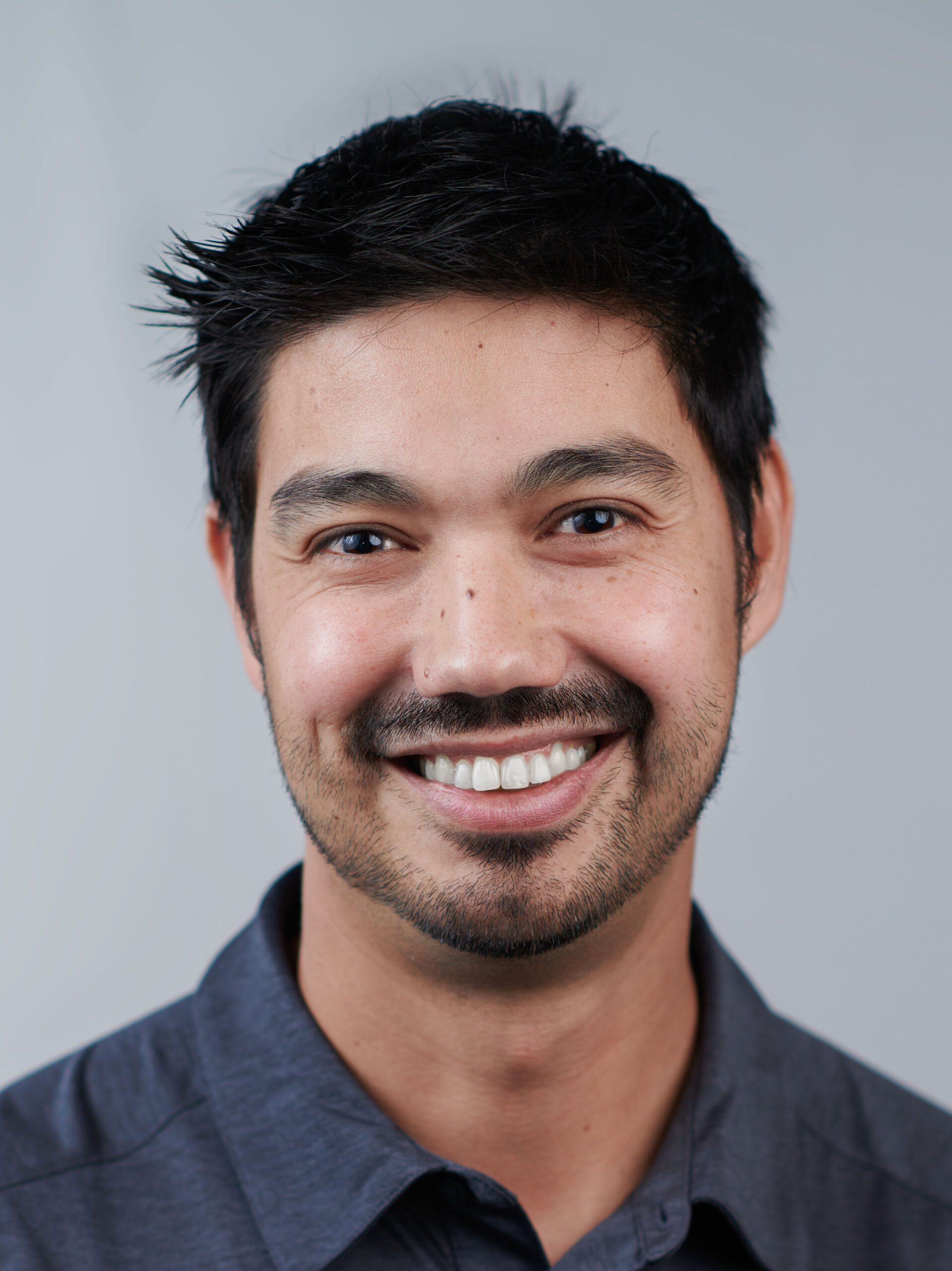
Robert Soler is a leading expert in circadian lighting and its effects on human health and performance. He has served as a subject matter expert for NASA and has advised organizations such as the Los Angeles Dodgers and the U.S. Olympic Ski and Snowboard Team, providing strategies to combat jet lag. Additionally, he collaborates with the International WELL Building Institute™ to enhance global health standards related to lighting.
Through a National Science Foundation (NSF) fellowship, Robert conducts research on circadian rhythms and works with the National Institutes of Health (NIH) on various studies in this field. He has also partnered with Cincinnati Children’s Hospital to develop specialized lighting for neonatal intensive care units(NICUs), improving outcomes for premature and newborn babies. Recently, he received a grant from the U.S. Department of Energy for his work on circadian lighting strategies in retrofit lighting applications.
